After the packing up the bike at my home in Northern Virginia and cramming some last minute items into the haggard BMW side cases, I set off from the nation’s capital and headed straight for the country’s backroads. Underneath landing planes at National Airport, I hopped onto the George Washington Parkway, which cuts a swath down south along the Potomac River, ultimately taking you as far as Mount Vernon, the home and plantation of the road’s namesake. Bound for Maryland, however, I skipped off the parkway in Alexandria and meandered through the cobbled streets of the historic city to get to the highway across the river.
Crossing over the Potomac, I veer off the interstate to MD 210, which dives south into the woody, often marshy terrain of Maryland, nestled between the Atlantic Ocean on one side and the Chesapeake Bay on the other. As I trundle along, I spot a dirt road running off into the woods, with a sign noting a wildlife management area. My R65 is no off-roading machine, but I’m a firm believe that the best adventure bike is the one that you’re riding, so I head down the road and crank down the speed.
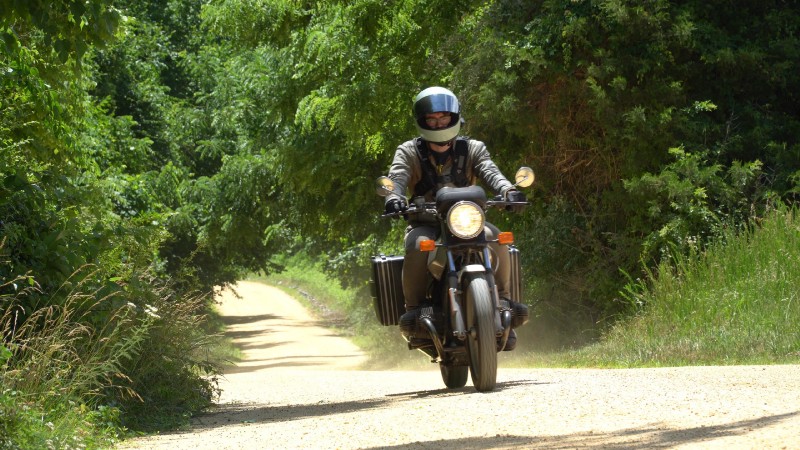
As any dirt road gets over time, this one is riven with potholes, some of which could do serious damage my rather delicate snowflake rims, so I take my time and weave around the biggest holes and let the suspension soak up some of the smaller ones. It hasn’t rained in a while, so the road is bone dry, and the wheels kick up a cloud of fine, tan dust as I go along, firing little bits of gravel from underneath the bike. I’ve no idea what’s at the end of this road, but I figure I’ll go until it ends.
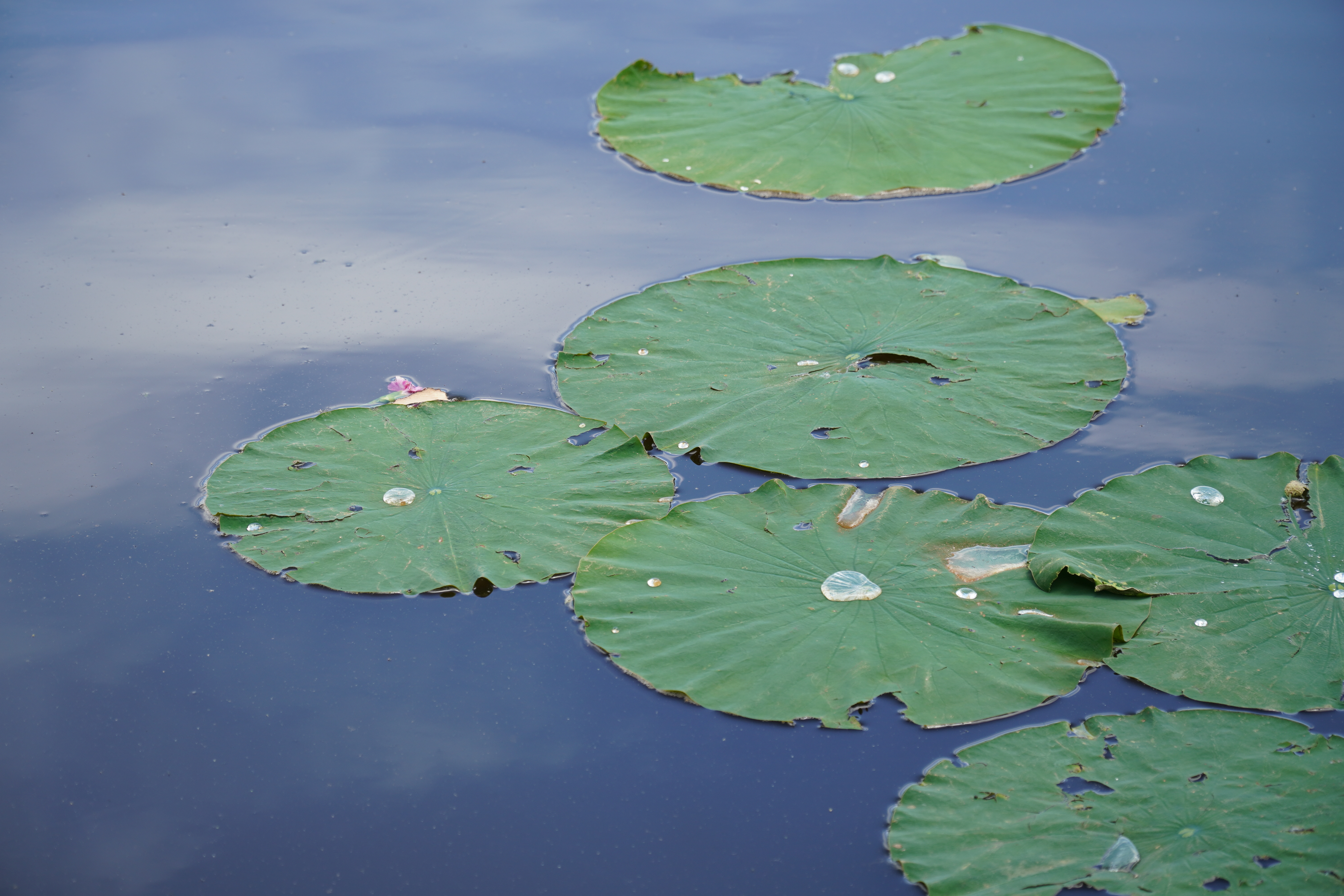
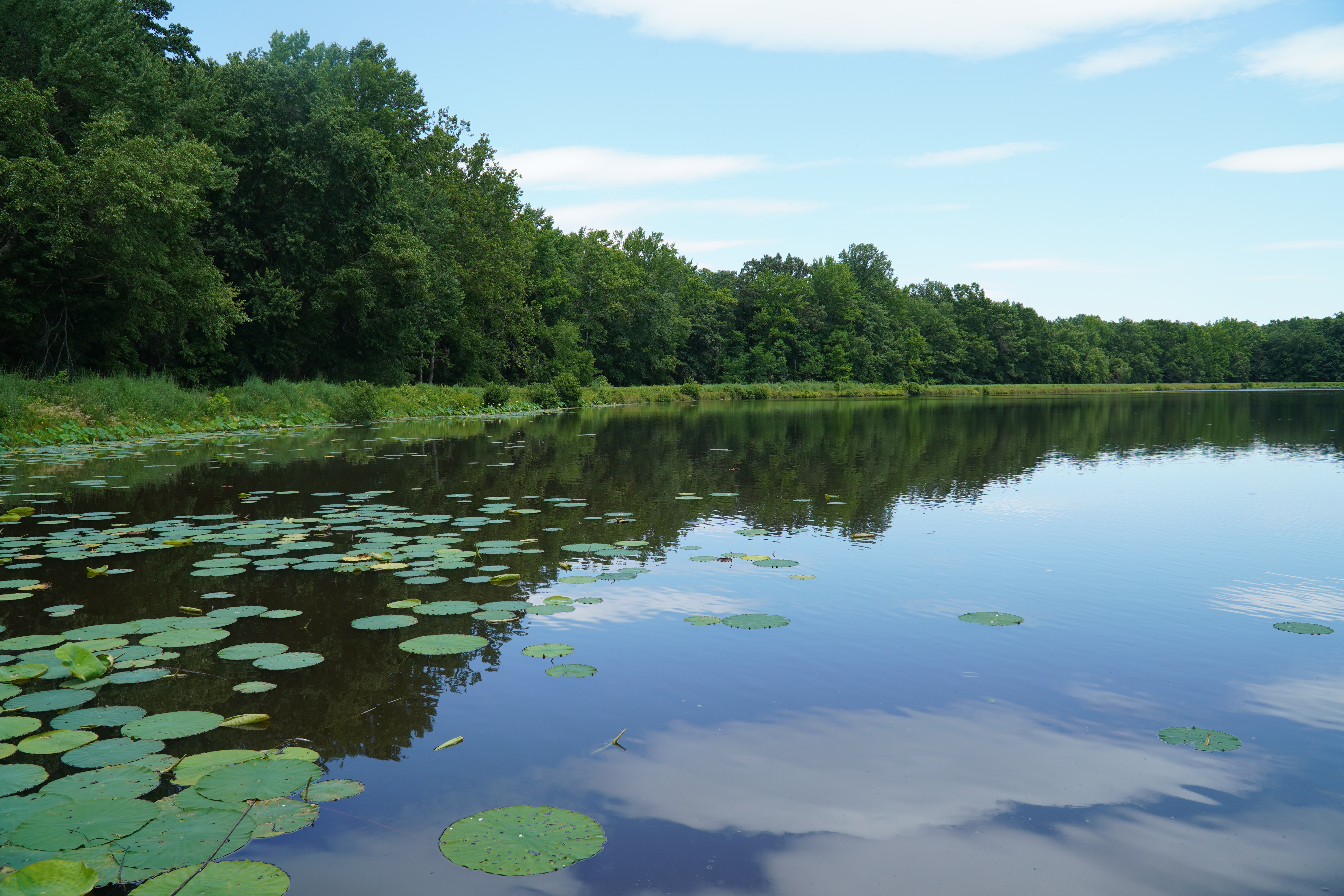
After about ten minutes of riding, the road runs out. At the end is a small lake, ringed with trees and covered in lily pads. The air is full of the sound of bullfrogs bellowing and the white flash of birds skimming the surface the lake, their blurred reflections wavering just beneath them as they fly mere inches above the water. You can smell just a hint of funkiness from the water, brown and probably undrinkable, full of decomposed leaves, but bursting with little minnows at the shoreline and water skimmers zipping across the calm surface, disturbing the otherwise glass-calm water.
After reluctantly leaving the quiet side of the pond, cruising the wooded lanes, I saw signs for an airport, and as I rode by, saw a flash of color — pink and blue pastels glinting in the sun. My dad is a pilot, and I knew he’d appreciate some pictures of planes sent along, so I whipped a quick U-turn and headed into the airport. The fence across the gate was open, so I slowly motored inside, keeping my head on a swivel for taxiing aircraft — I had no interest of a motorcycle version of the scene from Indiana Jones where the bad guy gets blendered by a propeller on the tarmac.
Pulling up in spare bit of pavement next to the hangar, I wrestled my bike up onto the center stand and pulled off my helmet. “Hi there, would you mind if I took a few photos of your plane,” I enquired. The man acquiesced and we got to talking. As he moved about with a rag and some cleaning solution, he told me about his plane — a Pitts — tuned for stomach-turning acrobatic maneuvers. Turns out he had only recently acquired this one, but had plenty of hours logged in the cockpits of these lithe little biplanes. I snapped a few photos, made a bit more small talk about bikes — turns out he himself had turned a few laps on an airhead BMW back in the day as well, though he’d never owned one — and then got back on my bike and meandered out the entrance.
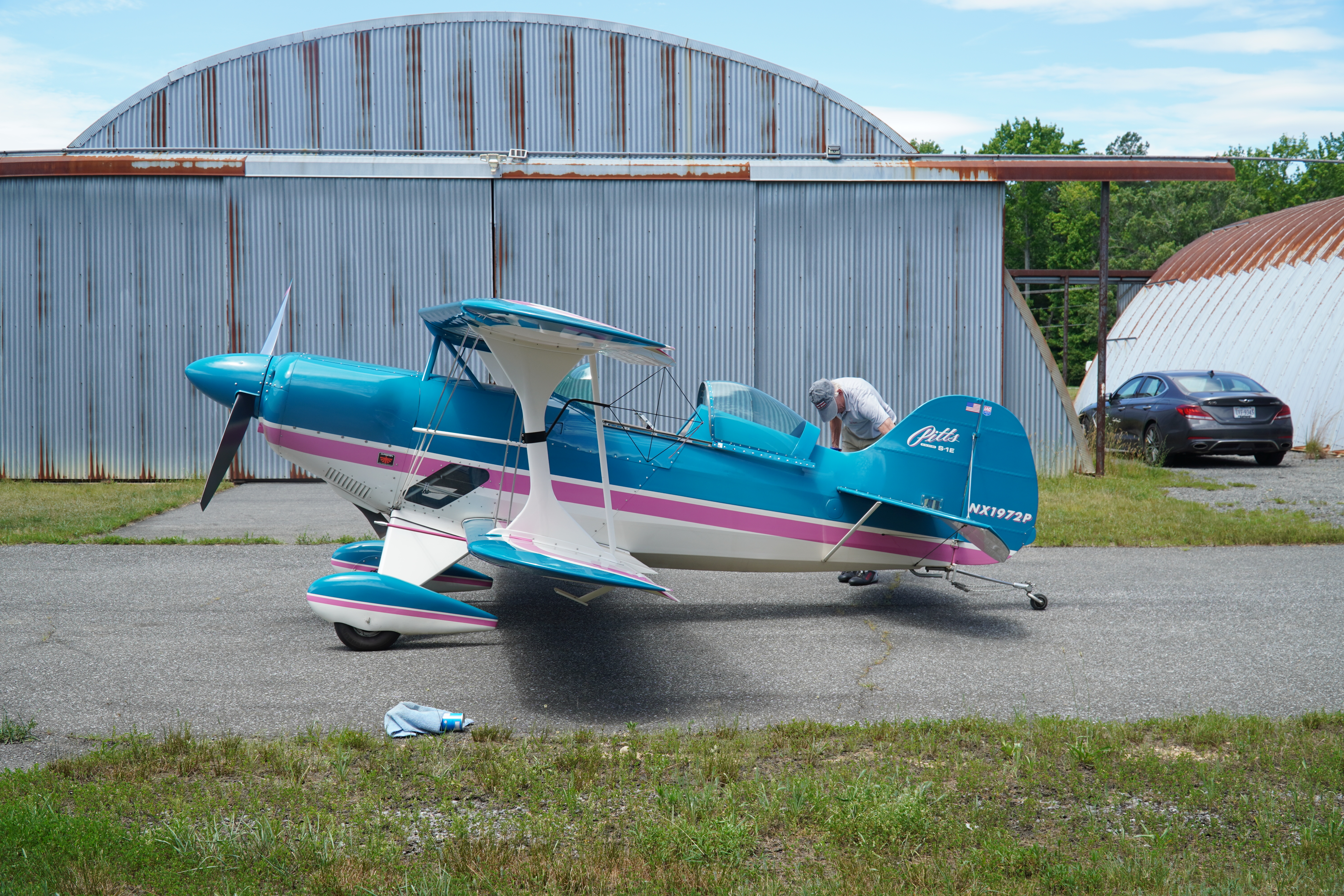
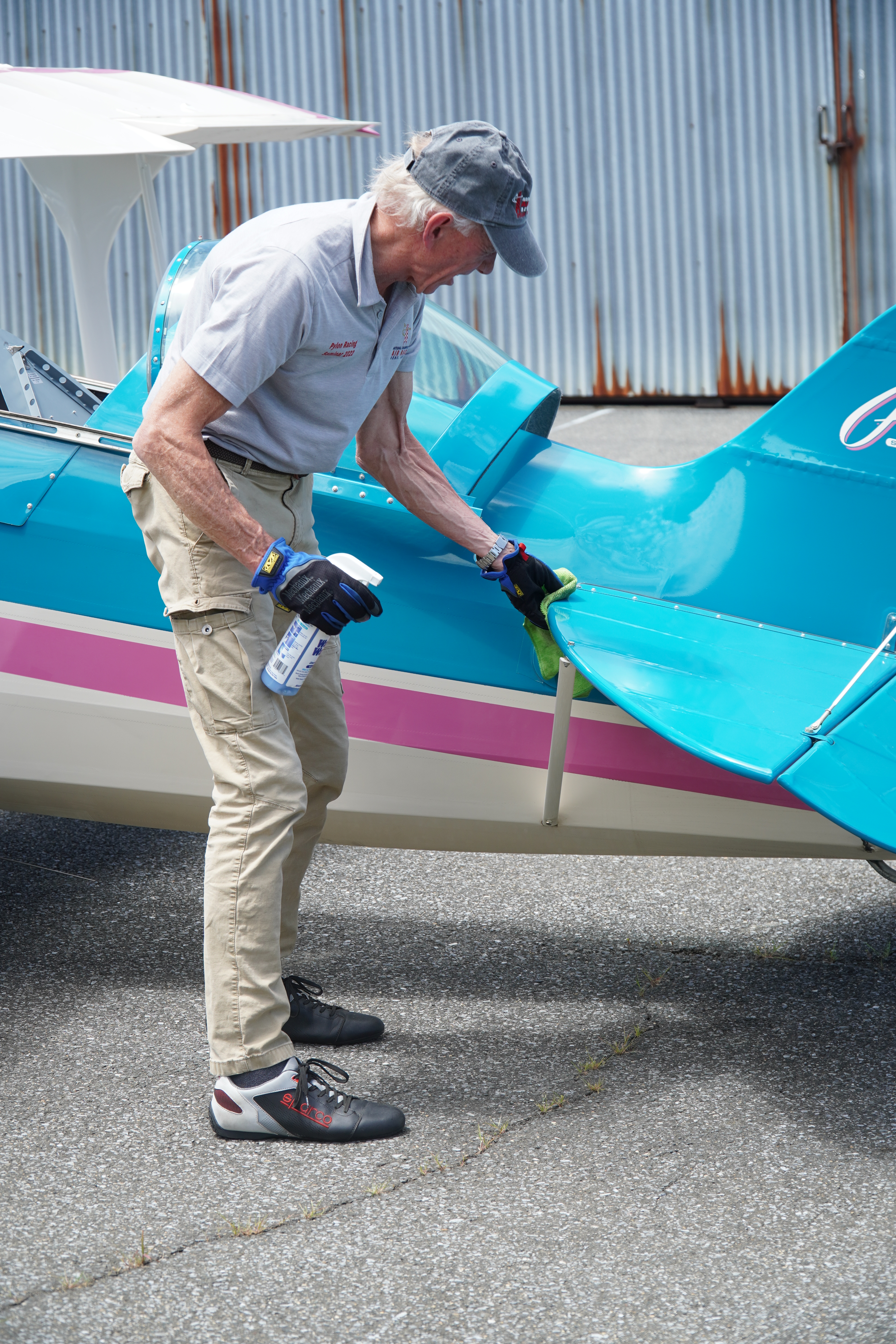
As it turns out, the extent of the time that gentleman had spent in the cockpits of Pitts biplanes was far more than I would have guessed. That evening, I had been searching for the airport and for acrobatics instructors in Maryland, just to see if I could find the man’s name. As it so happens, the man was Bill Finagin, an International Aerobatics Club hall of fame inductee who has logged more than 18,000 hours in the cockpit, and logged more than 10,000 hours behind the joysticks of Pitts. In his career, he’s made emergency landings on a river and on a highway, had a canopy fly off in the middle of acrobatic flight, and taught a whole coterie of pilots how to fly acrobatics.
Little chance interactions like this are at the beating soul of why the best way to see America is to take the slow way. Escape the slab, take your time, free yourself to stop when you want. You never know who you’ll meet.
 Ian Hutchinson